sales@xingyutj.com
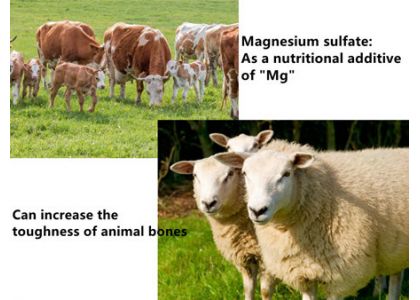
Magnesium sulfate is a vital inorganic compound containing essential magnesium. Characterized as a white, small inclined or columnar crystal, it is completely odorless but carries a distinctively bitter taste. In clinical medicine, magnesium sulfate is widely renowned for its therapeutic applications, including catharsis, cholagogic effects, anticonvulsant management, and treating conditions like eclampsia, tetanus, and hypertension.
However, beyond its medical use, magnesium sulfate plays an irreplaceable role in the agricultural sector—specifically as a high-efficiency feed additive to supplement the essential magnesium elements required by livestock and poultry.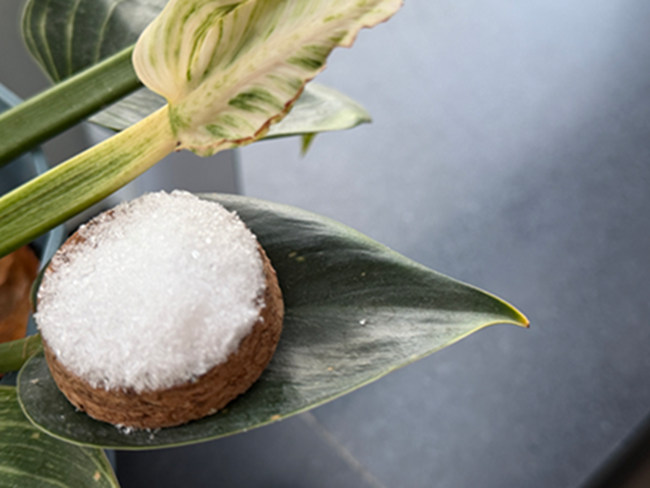
Feed grade magnesium sulfate serves as a core nutritional supplement in modern feed processing. Magnesium itself is an indispensable factor in bone formation and muscle contraction for animals. Acting as a powerhouse activator for various enzymes, it plays an extremely important role in material metabolism and the regulation of neural functions.
If livestock and poultry suffer from a magnesium deficiency, it triggers a cascade of physiological issues:
Metabolic Disorders: Disrupts the balance of material metabolism and neural function.
Growth Stunting: Seriously affects the daily weight gain, growth, and overall development of animals.
High Mortality: In severe cases, acute deficiency can lead to tetany, neurological failure, and even death.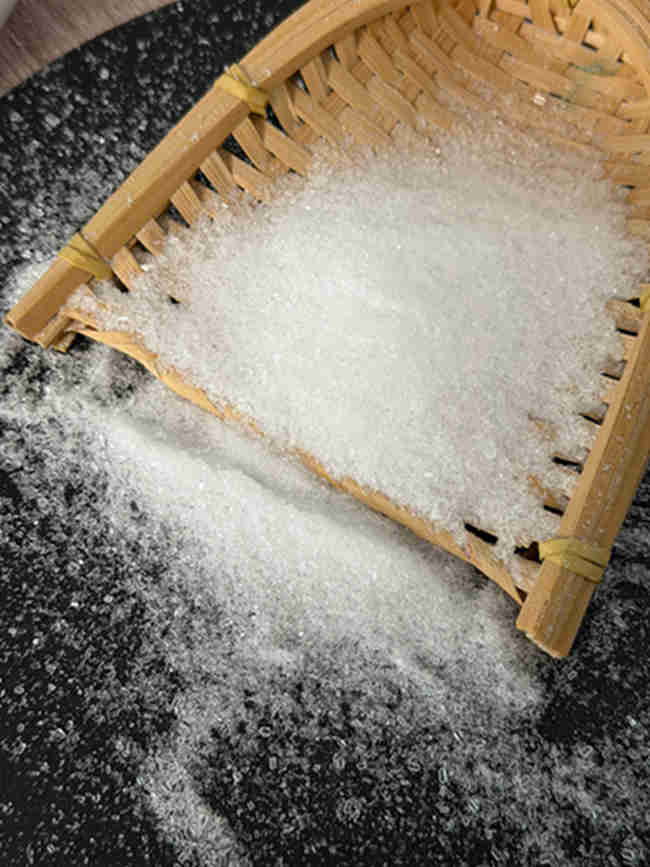
The animal digestive system absorbs magnesium differently depending on the species' anatomy. In ruminants (like cattle and sheep), magnesium is mainly absorbed through the anterior gastric wall, whereas non-ruminants (like pigs and poultry) absorb it via the small intestine. The nutrient travels through the body via facilitated diffusion in the form of simple ions or structured chelates.
It is important for nutritionists to note that absorption rates vary wildly:
Animal Species & Age: Different species and different growth stages alter the bio-availability of the mineral.
Cattle Absorption Rate: Typically ranges from low to moderate (5% to 30%).
Pigs and Poultry: Boast a much higher efficiency, generally reaching up to 60%.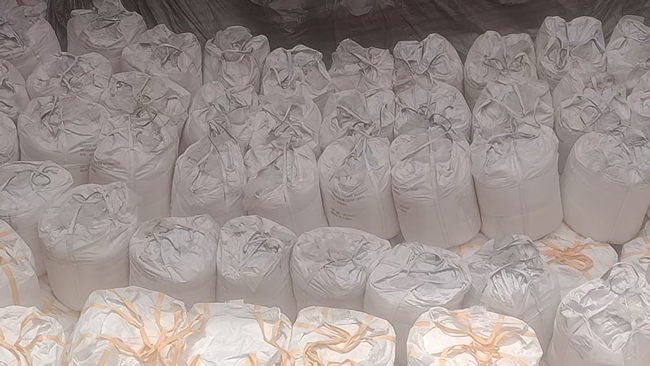
Magnesium is a cornerstone of animal anatomy. On average, magnesium makes up about 0.05% of an animal's total body weight.
Approximately 70% of the body's magnesium is stored directly in the bones and teeth in the form of phosphate or carbonate, providing structural integrity.
The remaining 30% exists within soft tissues, acting as a structural component for vital organs such as the liver, kidneys, brain, and striated muscles. Furthermore, over 70% of the magnesium found in blood is heavily concentrated inside the cells. Magnesium is directly involved in the composition of crucial enzymes (such as phosphatase, oxidase, and peptidase) and serves as an activator for key metabolic triggers like pyrophosphatase.
While the benefits of using magnesium sulfate in animal feed are eye-catching, strict formulation guidelines must be followed to avoid toxicity.
Non-ruminants: Require lower concentrations, typically 0.04% to 0.06% of the total feed.
Ruminants: Demand higher amounts, generally around 0.2% of the total ration.
When manufacturing and mixing magnesium-enriched feed additives, the compound must be blended perfectly evenly. Uneven distribution can create highly concentrated pockets, leading to accidental magnesium poisoning in livestock.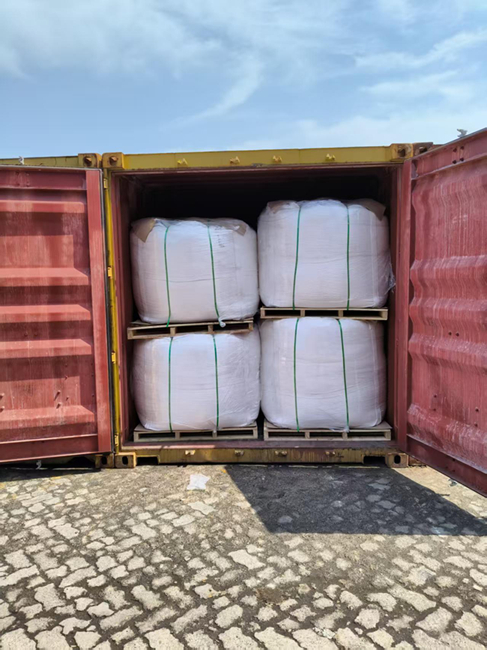
To ensure the safety, purity, and efficacy of your agricultural formulas, choosing a reputable supplier is vital. For premium feed-grade solutions, look no further than Tianjin Xingyu Fertilizer Industry Co., Ltd.
With 29 years of dedicated production history, Tianjin Xingyu boasts a professional, deep, and rich knowledge reserve regarding the diverse functions of magnesium sulfate. Partnering with an experienced manufacturer guarantees that your feed products meet the highest industry standards for animal health and agricultural success.
Tianjin Xingyu Fertilizer Industry Co.,Ltd. (Referred to as XYF which is magnesium sulphate manufacturer), is founded in 1993. ...[ read more ]
Contact person: Amber Li
Tel: +86 13042210466
E-mail: sales@xingyutj.com